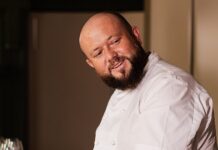

Jack Hurley joined Luxury Lodges in 2015, and in the years since he has seen the family-run business grow around a simple idea: build and run the best self-catering resorts it can, and let a great stay follow from getting that right.
That approach has taken the brand from the Welsh coast to the Lake District. At Dylan Coastal Resort in Laugharne, the Carmarthenshire town Dylan Thomas called home, Milk Wood House brings a spa and restaurant together with views across the estuary, while Clowance is set in nearly 100 acres of grounds in South Cornwall and Whitbarrow sits in the Lake District.
Every lodge is built to the same specification, but each resort takes its character from its surroundings, from poetry and art sessions for children inspired by Dylan Thomas to walks through the Cornish woodland. Guests can book a break, or buy a lodge of their own and choose whether to let it through the resort’s rental programme, and for many owners the resorts have become a community, with friendships made at regular owners’ events.
It has been a busy year for Luxury Lodges. The business has introduced the Luxury Lodges Charter, setting out written commitments to owners on tenure, costs, resale and the ownership relationship, and invested around £5 million at Whitbarrow, where The Fellstone restaurant has reopened with a former MasterChef contestant at the helm. Here, Hurley talks about what luxury means in self-catering, why the team matters more than the specification, how he keeps rental expectations realistic and where Luxury Lodges goes next.

You joined Luxury Lodges in 2015. How has being a part of a family-run company shaped the way you think about hospitality and the experience you want guests to have?
It’s evolved over time. We’ve grown the brand by concentrating on building and operating the best self-catering resorts we can, and the guest experience follows from getting that right rather than being something you add on top or try to retrofit.
The biggest advantage of being family-run is that we can be a lot more nimble. If we see something that isn’t working or that we want to tweak, we can just change it. Or, if someone has an idea we think is worth trying, we try it. There’s not a long approval process and multiple layers of sign-off to get through. In hospitality, that matters, because most of what shapes a guest stay (good or bad!) needs dealing with this week, not at some point in the next quarter.
“Luxury” is a term used widely across hospitality, but what does it actually mean to Luxury Lodges? In a self-catering environment, where guests have their own space and independence, what turns a good stay into a genuinely high-end experience?
For us, it comes down to three things. First, the lodges themselves have to be properly made, with high-quality branded fixtures and fittings throughout. We want guests to feel like they’ve got a home-away-from-home.
Second, the location has to be worth travelling for. Beyond being located in some of the UK’s most desirable and attractive locations, each of our resorts has its own reason for being where it is.
Last but not least, the facilities have to be somewhere people want to spend time. Dylan Coastal Resort in West Wales is a great example of that. Milk Wood House, home to the resorts’ spa and dining offering, has amenities and views across the estuary that are closer to what you’d expect from a five-star hotel than from self-catering.
Your resorts operate across very different parts of the UK. How do you create a recognisable Luxury Lodges experience while still allowing each resort to feel connected to its individual location and surroundings?
The lodges are the consistent thread that tie all the resorts together. They’re always built to the same specification and the same standard wherever they are, so an owner or a guest knows exactly what they’re walking into.
Everything around the lodge is deliberately different though. We don’t want Luxury Lodges to be a brand that lands somewhere and takes no notice of its surroundings. For example, Dylan Coastal Resort is coastal in its design and in how it feels, and the children’s activities there draw on the area’s connection with Dylan Thomas, including poetry and art sessions. Whereas Clowance is set on a one hundred acre woodland estate in Cornwall, so the whole resort has more of a countryside character, with the walks and the grounds doing what the estuary does at Dylan Coastal Resort.
The build quality is the same everywhere but each resort has a distinct and locally-relevant character and feel.
How have guest expectations changed since you joined the business, and what are people now looking for from a UK resort break that they perhaps were not asking for five or ten years ago?
People want more from the area around the resort than they used to. Walking, getting out and exploring, treating where they are as part of the holiday rather than simply the place the lodge sits.
In general, guests are more active. The onsite gyms at our resorts get far more use than they used to, and a lot of people are now booking what amounts to an ‘active break’.
Expectations around communication have changed as well. Communication used to stop once a guest arrived. But now, people expect to hear from us throughout their stay, and we keep in touch with guests via SMS while they are on site. The technology available now makes that really easy and guests now see that level of communication as standard.
The other change is how late people book. Plans and bookings are made at much shorter notice than they were before, so we have to stay flexible and react quickly.
Design, accommodation, food and drink, wellness, service and the wider destination can all influence the resort experience. Where do you think the biggest opportunities now lie for operators looking to improve the overall guest journey rather than simply upgrading the accommodation?
I think it’s all about the experiences at the resort and the people delivering them. Accommodation is the most straightforward thing to improve, because you can spend money and get a better lodge. What is harder, and what also makes more of a difference, is what there is to do once someone has arrived.
Partnering with local businesses is another opportunity. It means you can elevate the experience a guest gets, both on resort and in the surrounding area, without building anything yourself. It also creates another route for us as a brand, and by extension our guests, to support local businesses in a meaningful way.
The biggest one, though, is the team. People remember how they were looked after much more than they remember the specification or design. Making sure we have the right people in place, and then keeping them, makes a bigger difference to the guest journey than almost anything else you can spend money on. We have a lot of regular, repeat visitors across our resorts and having a familiar face to welcome you on arrival means a lot.
Luxury Lodges sits across two sides of the market: guests can book a holiday, while customers can also purchase a Residence for their own use. What does that combination bring to the business, and how different are the expectations of a holiday guest and an owner?
The two sides feed into each other. Owners who put their lodges into the rental programme create the lodges we let, so the holiday side of the business exists because of them. It works the other way round as well. Renting is often where the journey to ownership starts – people come and stay, fall in love with the place and then some of them go on to buy.
The expectations are genuinely different, though, and so are the people. Owners become part of the resort. Naturally, they’re more invested and take more of a long-term view, so want to be involved in where it is going. We run regular owners’ events and people have made real friendships thanks to them. Our earliest owners at Dylan Coastal Resort have watched the place change enormously over the years and are really proud to say they own there.
Understandably, a rental guest has a different relationship with the resort. They’ve only paid for one week, so if something goes wrong it matters more to them than the same problem would to an owner, because there’s not a guaranteed future visit to make it right.
Owners can choose to keep their lodge for private use or make it available through the resort’s rental programme. Operationally, how do you balance that flexibility for owners with the need to give paying guests a consistent hospitality experience across the resort?
It starts with the agreement. When we let a lodge on an owner’s behalf there are clear conditions attached and the main one is that the lodge has to be kept in good condition. We inspect them and go back to the owner if and when maintenance or upkeep is needed, so that anyone booking gets the same standard whichever lodge they are in.
The other part of it is the inventory. Lodges are sold fully equipped, with the same kit in every one and we hold additional supplies on site for when we need them. A guest booking at any lodge on the resort gets the same things, which takes a lot of the possible variables out before it has a chance to become a problem.
Letting is entirely the owner’s choice. But if a lodge is going into the programme it has to meet the standard, and that’s communicated and understood from the outset.
You recently introduced the Luxury Lodges Charter, setting out written commitments around areas including tenure, costs, resale and the ownership relationship. Why did you feel the need to formalise those commitments, and what does that tell us about the level of transparency consumers now expect when buying a holiday home?
The sector has had a bit of a bumpy ride in the last few years, and it’s led to some buyers being a bit more cautious. The Charter was our way of ‘practicing what we preach’, so prospective owners could have more tangible proof of what we stand for.
The legal side is a good example. We work with a recommended panel solicitor who can advise any buyer independently on the agreements and how they work. They know us and our contracts, so they’re able to answer questions specifically and accurately, and we cover their fees on completion. The buyer then gets independent, third-party advice on exactly what they are signing, at no cost to them.
Equally, we don’t want prospective buyers just to hear it from us, so we also encourage anyone thinking of buying to speak to owners who are already here. They’ll give an honest, first-hand account of what it’s like to own at a Luxury Lodges resort. Trust in our sector has to be rebuilt and the way to do that is allowing people to check things for themselves.
Where a holiday home is presented both as somewhere to enjoy personally and as something capable of generating rental income, there is an important balance between aspiration and commercial reality. How do you approach that conversation with prospective owners and ensure expectations around rental performance remain realistic and transparent?
Almost every owner we have uses their lodge themselves. Very few buy purely for rental income, so that shapes the conversation from the start. People buy a lodge to enjoy the resort and local area, and have flexibility over how they use it, with the rental income helping to support its running.
We’re also upfront about the numbers too. When we’re with a prospective owner, we look at the figures that we’re actually achieving on the lodges at the resort, not on forecasts or projections of what they might earn. We’re as honest and realistic as possible on what prospective buyers should expect.
Looking ahead, what will determine the next stage of growth for Luxury Lodges? Is the priority adding destinations, investing further in existing resorts, developing the ownership model or finding new ways to improve the guest experience?
The big focus for us currently is on investing in the resorts we already have. There’s still a lot of opportunity at all of them, with planning permission granted for new lodges, land allocated for future lodges and construction plans underway too. There’s scope for growth across our existing portfolio, without us having to go and find it.
For example, in the last 12 months at Whitbarrow, our Lake District resort, we’ve invested around £5 million, including enhancing our central Clubhouse’s swimming pool, gym, outdoor terrace and reception area, and we’ve also reopened the onsite restaurant, The Fellstone, with a former Masterchef contestant at the helm.
If the right opportunity came along for a new resort, we would of course look at it, but we’re not actively searching for new sites for the sake of it, when there is so much still to do where we are.
Luxury Lodges’ resorts include Bude Coastal Resort and Clowance in Cornwall, Dylan Coastal Resort in Carmarthenshire, Hexham Lodges in Northumberland and Whitbarrow in the Lake District.
More Q&As
All interviews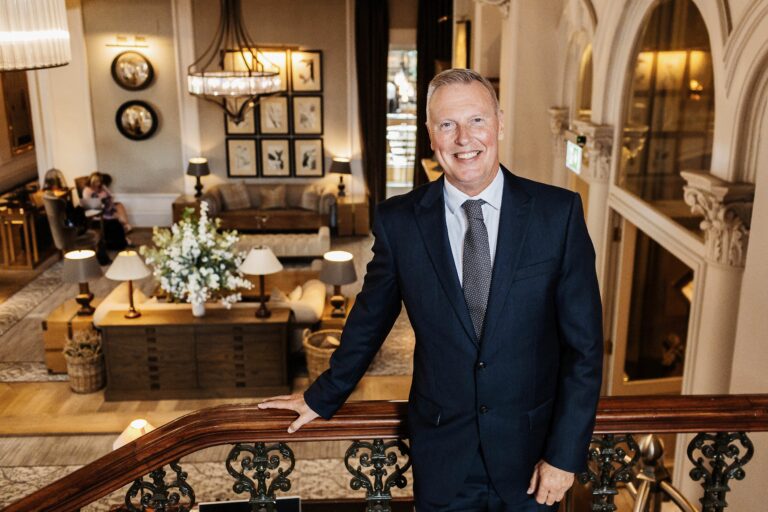 Q&AAndy BarnsdaleGeneral Manager, The Milner York“Of course, technology has helped streamline operations, but I think it’s the human connection that really defines a stay today.”
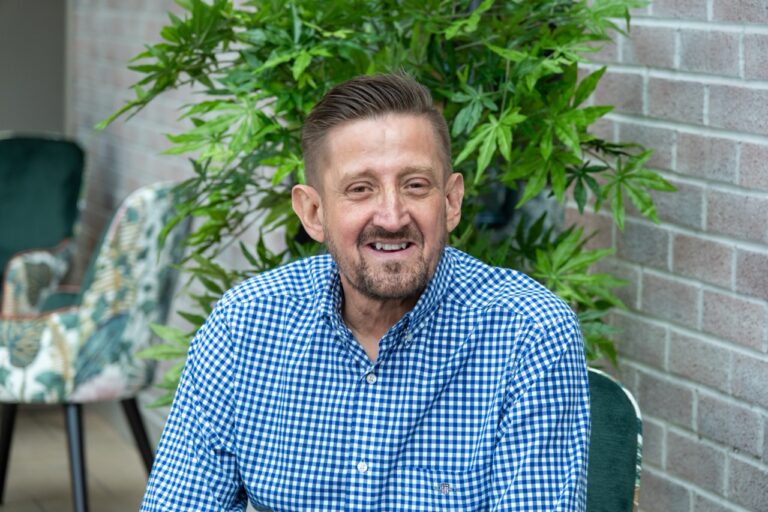 Q&AWayne TopleyManaging Director, Cedar Court Hotels“Guests want to feel welcome and looked after without things feeling overcomplicated. In my opinion, authenticity and warmth will always make the biggest difference.”
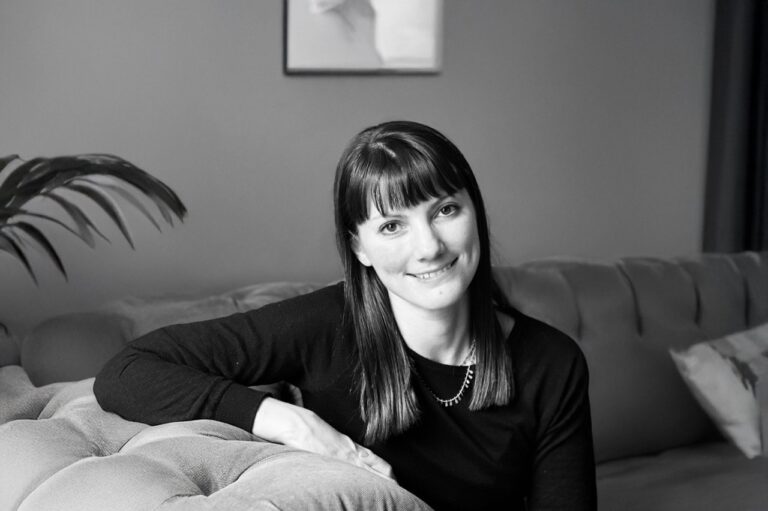 Q&ACaroline BaldwinCEO and Founder, The Dally“People want to feel part of a community but don’t want to travel outside of their local neighbourhood – nor do they want to pay sky-high membership fees – to feel included.”
Want to be interviewed? Put yourself forward

Publisher of Hospitality and Leisure News, 365 Retail, Retail Source and organiser of the Creative Retail Awards.